
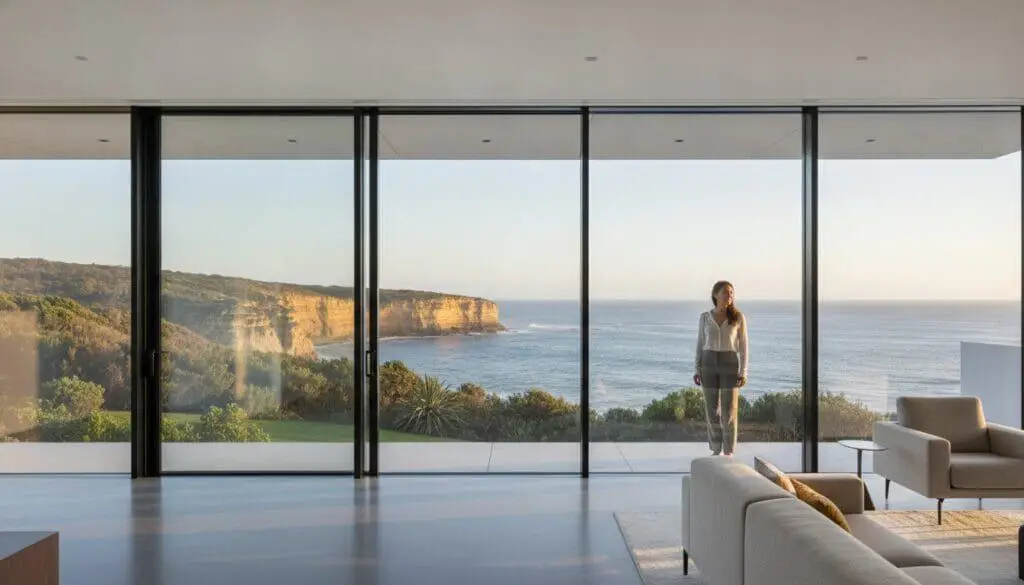
Choosing windows by colour and price alone is a mistake. A useful aluminium window buying guide should help you compare the complete system: frame, glass, opening style, screens, hardware, installation and the condition of the existing opening. For Sydney homes, exposure, orientation, noise, access and surrounding construction can all change what is suitable.
Quick answer
Before buying aluminium windows, confirm how each window should open, the frame system, glass specification, finish, screens, hardware and installation scope. Compare quotes using the same details and ask what is excluded. Do not accept vague promises about energy savings, noise reduction or weather performance. Those results depend on the documented window-and-glass configuration and how it is installed.
Aluminium window buying guide: 10 things to check
1. Start with how the room is used
The best-looking window can still be the wrong choice if it does not suit the room. Consider ventilation, privacy, furniture, exterior clearance, cleaning access and whether people regularly pass outside the opening.
Sliding windows do not project beyond the frame, making them practical near paths and in many bedrooms and living areas. Awning and casement windows project outward, so they need exterior clearance. Fixed windows provide light and views but no ventilation. Louvre and double-hung windows suit different airflow and access requirements.
Review the available aluminium window styles and configurations before deciding. The final configuration should suit the opening size and selected frame system, not simply a photo from another project.
2. Measure the complete opening—not only the glass
Replacement projects require more than a rough width and height. The existing frame, sill, timber surrounds, brickwork, render, cladding, drainage and access can affect the replacement method and finished appearance.
Photos and approximate measurements are helpful for an initial discussion. Fabrication, however, should follow a confirmed measure and written specification. Older openings may be uneven or may reveal deterioration after removal. Those possibilities should be discussed before the windows are ordered.
3. Ask which aluminium frame system is proposed
“Aluminium window” is not a complete specification. Different frame systems suit different sizes, opening styles, glazing combinations and project requirements. Ask the supplier to identify the proposed system and explain why it suits the opening.
Aluminium is light, strong and available in anodised and powder-coated finishes. The Australian Glass and Window Association’s consumer guidance recommends considering environmental exposure, noise, safety, security and UV conditions when selecting frames and glass.
Do not assume a heavier-looking frame is automatically better, or that the slimmest frame suits every opening. Size, configuration, glass and exposure need to be considered together.
4. Compare complete thermal performance
The frame material alone does not tell you how a window will perform. The glass, frame, seals, size, orientation and shading all influence thermal comfort.
The Australian Government’s YourHome glazing guide explains that whole-window U-value describes heat transfer through the glass and frame together, while the whole-window Solar Heat Gain Coefficient describes how readily solar heat passes through the complete window.
If energy performance matters, ask for information about the proposed complete system. Avoid accepting a statement such as “double glazing is energy efficient” without confirming the frame, glass make-up and performance information for the configuration being quoted.
5. Select glass for the location and priority
Glass should be chosen according to the room, panel size, safety requirements and the result you want. Available options may include:
toughened safety glass for suitable safety applications;
laminated glass for suitable safety and selected acoustic applications;
obscure or frosted glass where privacy is important;
tinted glass for selected glare and appearance requirements;
low-e glass for selected thermal-performance objectives;
insulated glass units where the frame system and project support double glazing.
Noise reduction depends on more than glass thickness. Frame design, seals, installation and other air paths through the building also matter. Ask for a documented glass-and-window configuration suited to the noise source instead of relying on a fixed percentage claim.
Prime Aluminium Solution can discuss available custom glass options for aluminium windows and doors.
6. Match the finish to the actual exposure
Colour is only one part of finish selection. Coastal and industrial environments can require additional consideration, and distance from the ocean is not the only factor. Humidity, pollution and the local microclimate can affect environmental corrosivity.
AGWA’s summary of the revised architectural aluminium powder-coating framework explains why coating selection should be matched to the actual environment.
Ask which finish is included and what cleaning guidance applies. Powder-coated aluminium is relatively low maintenance, but it still needs routine care. Frames, tracks, drainage paths and hardware need regular cleaning and inspection, particularly in exposed locations.
7. Confirm screens, locks and hardware before ordering
Flyscreens are not automatically included with every quote or compatible with every configuration. Confirm the mesh, screen frame, colour and whether the screen is removable. Door-style security screens and standard insect screens are different products and should not be described as interchangeable.
Locks, handles, rollers, chain winders and other hardware should also be identified where relevant. Think about everyday operation, access and who will use the window. Hardware that is difficult to reach or operate can make an otherwise suitable window frustrating.
8. Understand exactly what installation includes
Supply-only pricing cannot be compared with a complete replacement quote. Ask whether the scope includes:
delivery;
protection of the work area;
removal of the existing frames;
disposal where required;
preparation of the opening;
installation and perimeter sealing;
trims, angles, subsills or subframes;
flyscreens and hardware adjustments;
cleaning and handover;
making-good work around the opening.
Our guide to aluminium window installation in Sydney explains the process from final measure through to testing and handover.
9. Compare the same specification—not only the final price
Two quotes can look similar while including different frame systems, glass, screens and installation work. Place the quotations side by side and compare every line.
Price can change with dimensions, window style, glass, colour, hardware, quantity, access, removal requirements and the condition of the opening. There is no reliable universal price per window. The Sydney aluminium window replacement cost guide explains the main cost factors without treating an advertised supply price as a complete installed price.
Ask for unclear allowances and exclusions to be written down. A detailed quote makes it easier to identify changes before fabrication and reduces arguments about what was expected later.
10. Check approvals, documentation and warranty terms
Do not assume that every replacement is automatically exempt from approval. NSW Planning’s exempt development guidance says some low-impact work may not need approval only when all relevant development standards are met.
Changing the opening size or structural support, or working on a heritage, bushfire-affected or strata property, can require additional checks. Confirm the property and scope before ordering.
Ask for written product information and warranty terms that apply to the exact project. Avoid relying on broad website claims that every product meets every standard or carries the same warranty. The frame, glass, hardware, finish and installation may have different terms.
How to compare aluminium window quotes
Use one checklist for every supplier:
Are all opening sizes and configurations listed?
Is the aluminium frame system identified?
Are the glass type and thickness stated?
Are colour, finish, hardware and screens included?
Are removal, disposal and installation included?
Are sealing and finishing details explained?
Are access equipment and making-good work included or excluded?
Are estimated manufacturing and installation timeframes separated?
Are written warranty terms supplied?
Are assumptions and exclusions clear?
If one quote is much cheaper, find the missing difference before accepting it. It may be a genuine saving, but it may also exclude glass upgrades, screens, disposal, trims, access or finishing work included elsewhere.
Planning new aluminium windows in Sydney?
Prime Aluminium Solution supplies and installs custom aluminium windows across Sydney. We assess the opening, discuss the way each room is used and confirm the frame, glass, finish and installation scope before fabrication.
Send photos and approximate measurements for an initial discussion, or arrange an onsite measure for a detailed quotation.
Arrange a free measure and quote
Call 0485 756 168
Frequently asked questions
Are aluminium windows suitable for coastal Sydney homes?
They may be suitable when the frame, finish, hardware and maintenance requirements are selected for the property’s actual exposure. Do not rely only on distance from the ocean. Humidity, pollution and the local microclimate also matter. Ask which finish is proposed and follow the supplier’s cleaning guidance.
Is double glazing worth considering in Sydney?
It can improve thermal performance compared with a comparable single-glazed configuration, but the result depends on the complete system. Consider the glass make-up, frame, seals, orientation and shading together. Compare documented whole-window performance rather than assuming every double-glazed aluminium window performs the same way.
Can old timber windows be replaced with aluminium?
Often they can, but the existing opening and surrounding construction need to be assessed. Timber reveals, sills, brickwork, trims and hidden deterioration can affect removal and finishing. Structural work should not be ruled out until the actual opening has been inspected and the replacement method confirmed.
How much do aluminium windows cost in Sydney?
There is no useful standard price for every window. Cost depends on size, style, frame system, glass, finish, hardware, screens, quantity, access, removal and installation requirements. Compare detailed quotes based on the same specification and confirm whether disposal, sealing and finishing work are included.
Do I need approval to replace windows in NSW?
Some low-impact work may qualify as exempt development when every relevant standard is met. Additional checks may be required if the opening or structure changes or the property is heritage-listed, bushfire-affected or part of a strata scheme. Confirm the property and proposed scope with the relevant authority before ordering.
Related Guides & Services
Explore more information about our aluminium windows, doors and glass services across Sydney.