
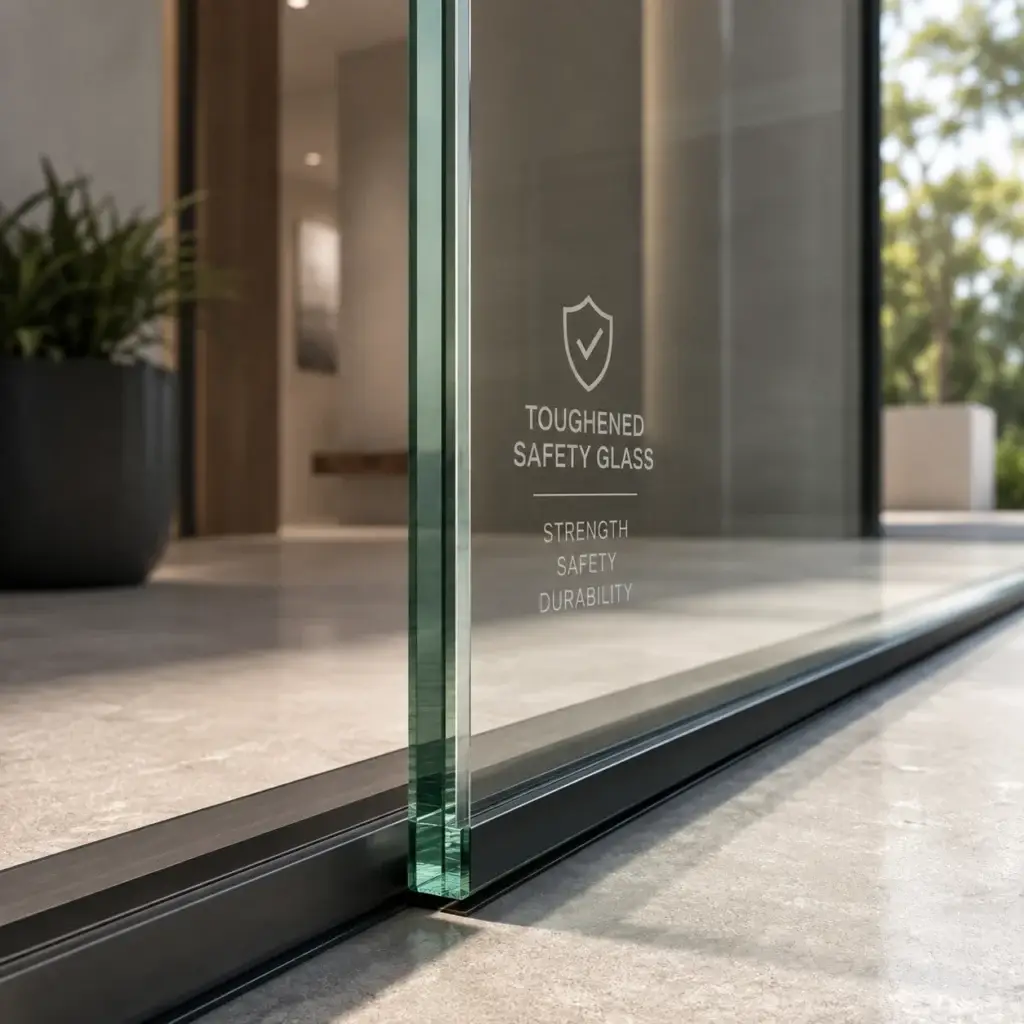
double glazing consists of two panes with a sealed gap, improving heat transfer and comfort over single glazing. Single glazing costs less upfront and still suits sheltered openings, garages, sheds and rooms where thermal performance is not a priority. For most Sydney homes the real question is not which is better in theory, but whether the specific opening, frame system, orientation and budget justify the upgrade — and whether your project triggers BASIX requirements that decide it for you.
What is the actual difference between double and single glazing?
A single pane of glass sits in the frame. An insulated glass unit (IGU) consists of two glass panes separated by a spacer and sealed at the edges, with the cavity filled with air or an inert gas.
That sealed cavity is the whole point. Glass conducts heat readily; the still air or gas in the gap does not. The result is slower heat transfer in both directions — less heat escaping on a cold night, less heat pushing in on a hot afternoon.
But an IGU is thicker and heavier than a single pane. This matter more than many articles admit; retrofitting discusses it later.
Does double glazing actually make a difference in Sydney’s climate?
Yes, though not for the reason people expect. Sydney’s mild winters mean the heating savings alone are smaller here than in Melbourne or Canberra. The bigger wins in a Sydney home are usually summer heat gain, overnight condensation, and comfort near large glazed areas.
Where double glazing earns its cost in Sydney:
- West and north-west facing rooms that overheat through summer afternoons;
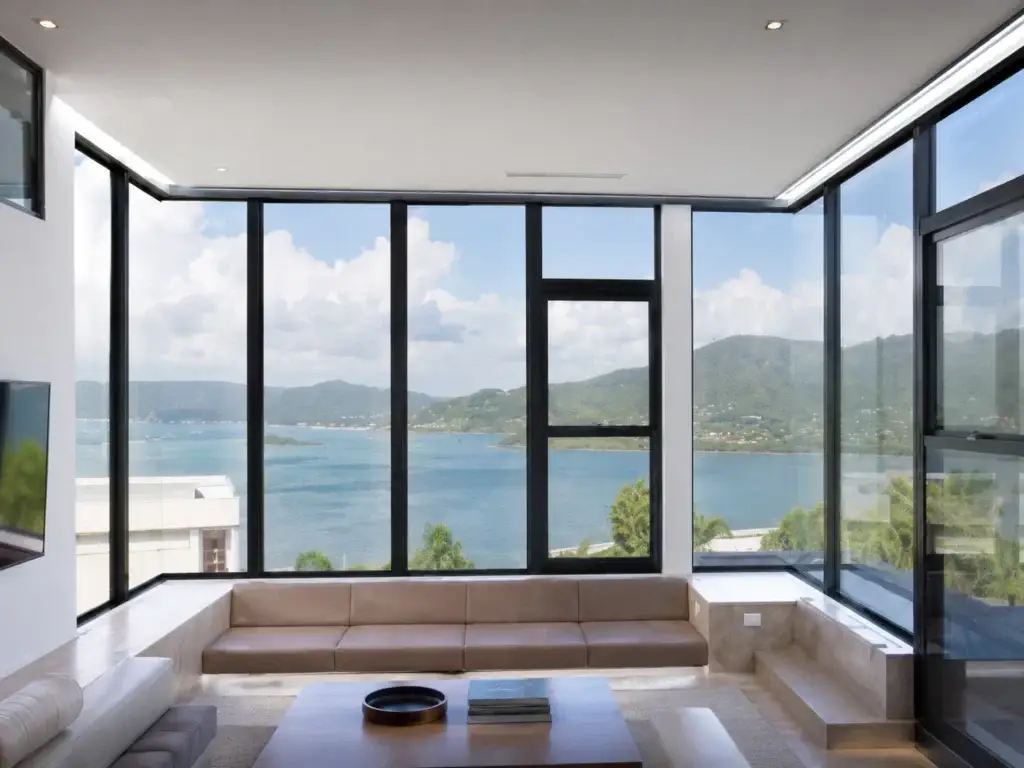
- Large glazed openings — sliding, stacker and bifold doors, where the glass area is a significant part of the wall;
- Rooms with morning condensation pooling on sills, which single glazing makes worse;
- Homes with high heating or cooling use, where the system runs hard year-round;
- New builds and major renovations that must meet a thermal performance target.
Where single glazing may still be reasonable:
- Sheltered, shaded southern openings;
- Garages, sheds, laundries and secondary structures;
- Small windows where glass is a minor part of the wall;
- Allocate the budget to insulation, sealing, or shading first for rooms.
That last point is the one competitors skip. Windows are one part of a building envelope. Upgrading glass while the roof insulation is poor and the gaps around the frames are unsealed will not deliver the comfort you paid for.
Is double glazing better for noise than single glazing?
Not automatically, and this is where a lot of quotes mislead people.
Double glazing does reduce noise compared with a single pane, but the standard air gap in a thermal IGU is optimised for heat, not sound. For traffic noise, aircraft noise or a busy main road, laminated glass often performs better than a standard double glazed unit — and a laminated pane inside an IGU better again.
If noise is your main reason for upgrading, say so explicitly when requesting a quote. The right specification for noise is different from the right specification for heat, and a supplier who does not ask which one you care about is not specifying properly.
Can you retrofit double glazing into existing aluminium frames?
Usually not by simply swapping the glass. This is the single most common misunderstanding in Sydney window enquiries.
An older single-glazed aluminium frame has a glazing rebate sized for one pane, typically a few millimetres thick. An IGU is substantially thicker and heavier. In most cases the existing frame cannot accept it, which means the realistic options are:
- Replace the complete window system — new frame and IGU together, designed as one unit. This is the standard approach and the one that performs as specified.
- Secondary glazing — a second independent pane or panel fitted inside the existing window. Cheaper, useful for noise, but visually and functionally different from a true IGU.
- Upgrade the glass within the existing frame where the frame genuinely accepts a thicker pane — laminated or higher-performance single glass. A partial improvement, not double glazing.
Anyone offering to “just put double glazing in your existing frames” should be asked exactly which frame system they are using and how the sash, hardware and drainage handle the extra weight and thickness.
custom-glass-supply-installation
Does BASIX require double glazing in NSW?
BASIX does not name double glazing as a requirement. It sets a thermal performance target, and the window specification is one of the levers used to reach it.
The practical position for NSW homeowners:
- BASIX applies to new homes and to residential alterations and additions above a set contract value threshold;
- NSW has aligned its BASIX thermal performance standards with the higher 7-star benchmark introduced under NCC 2022;
- Whether your project needs double glazing depends on the assessment as a whole — orientation, shading, insulation, glass area and frame performance all feed in;
- A well-shaded, well-insulated design can sometimes reach the target without double glazing throughout, and some designs need it only on certain elevations.
Because the thresholds and tool requirements change, confirm your project’s position with a BASIX assessor or the NSW Planning Portal before assuming either way.
NSW Planning Portal — BASIX requirements
How do you compare glazing quotes properly?
The number on a quote means very little without the specification behind it. Two things matter more than the price line.
Ask for whole-window performance values, not glass-only values. U-value and SHGC apply to the complete window — frame, spacer, seals and glass together. A high-performing IGU in a poor frame does not deliver the glass-only figure. The Australian Glass and Window Association’s guidance is explicit that these are whole-window values.
AGWA — Window Energy Rating Scheme, whole-window values
Ask what happens at the edges. The spacer bar between panes and the seal around the unit determine whether the IGU still performs in ten years. A failed edge seal fogs the cavity and the thermal benefit goes with it.
Your quote should state:
- the complete frame system and its performance data;
- glass makeup for each opening — thickness, coating, laminate, cavity;
- whole-window U-value and SHGC where a performance target applies;
- spacer type and warranty terms on the sealed unit;
- which openings are being upgraded and which are not;
- removal, disposal, installation, sealing and finishing;
- expected manufacturing and installation timeframe.
If a quote lists “double glazed” with no glass makeup and no performance figures, it is not comparable to one that does.
Is double glazing worth the extra cost?
It depends on how long you plan to stay, how the rooms are used, and how the rest of the home performs. Energy savings alone rarely pay the difference back quickly in Sydney’s mild climate — the honest case for double glazing here is comfort, condensation control and summer heat, with energy savings as a secondary benefit.
A sensible approach for a renovation:
- Identify the openings causing the most discomfort — usually the largest and the west-facing ones.
- Get those specified properly rather than upgrading every window to a lower standard.
- Confirm whether the project triggers a compliance target that decides it anyway.
- Compare complete written scopes, not headline prices.
Frequently Asked Questions
Is double glazing worth it in Sydney’s climate?
For large glazed areas, west-facing rooms and homes with condensation problems, generally yes. However, for small, shaded, south-facing windows the benefit is smaller, so the budget should prioritise insulation and sealing. The assessment should be per-opening, not whole-house by default.
Can I put double glazing into my existing window frames?
Usually not directly. An insulated glass unit is thicker and heavier than a single pane, and most older aluminium frames have a glazing rebate sized for one pane. The standard solution is replacing the complete window system so the frame, glass and hardware are matched.
Does double glazing stop noise?
It reduces noise compared with a single pane, but a standard thermal IGU is optimised for heat rather than sound. For traffic or aircraft noise, laminated glass — on its own or as one pane within an IGU — usually performs better. Specify noise as a requirement if it is your main concern.
Does BASIX require double glazing in NSW?
BASIX sets a thermal performance target rather than mandating a specific glazing type. Whether double glazing is needed depends on the whole design, including orientation, shading, insulation and glass area. Confirm your project’s requirements with a BASIX assessor.
What is the difference between double glazing and Low-E glass?
Double glazing describes the construction — two panes with a sealed cavity. Low-E describes a coating applied to glass to reduce heat transfer. They are not alternatives: Low-E is often applied to one pane within a double glazed unit, and the two together perform better than either alone.
Choosing between double glazing and single glazing comes down to the specific openings, how the rooms are used and what your project has to comply with. Prime Aluminium Solution measures, supplies and installs custom aluminium windows and doors across Sydney with glass specified for each opening rather than applied as a blanket upgrade.