
PRIME ALUMINIUM SOLUTION · SYDNEY HOMEOWNER GUIDE
Condensation on Aluminium Windows: Causes, Fixes and When to Replace
Work out where the water is coming from before paying for new glass or frames.
Quick answer
Condensation on aluminium windows does not automatically mean the windows need replacing. First identify whether moisture is on the room-side surface, outside, or between sealed glass panes. Surface moisture calls for a humidity and temperature check; trapped moisture needs a glazing assessment. Choose repairs or replacement only after the cause, frame condition and proposed solution are clear.
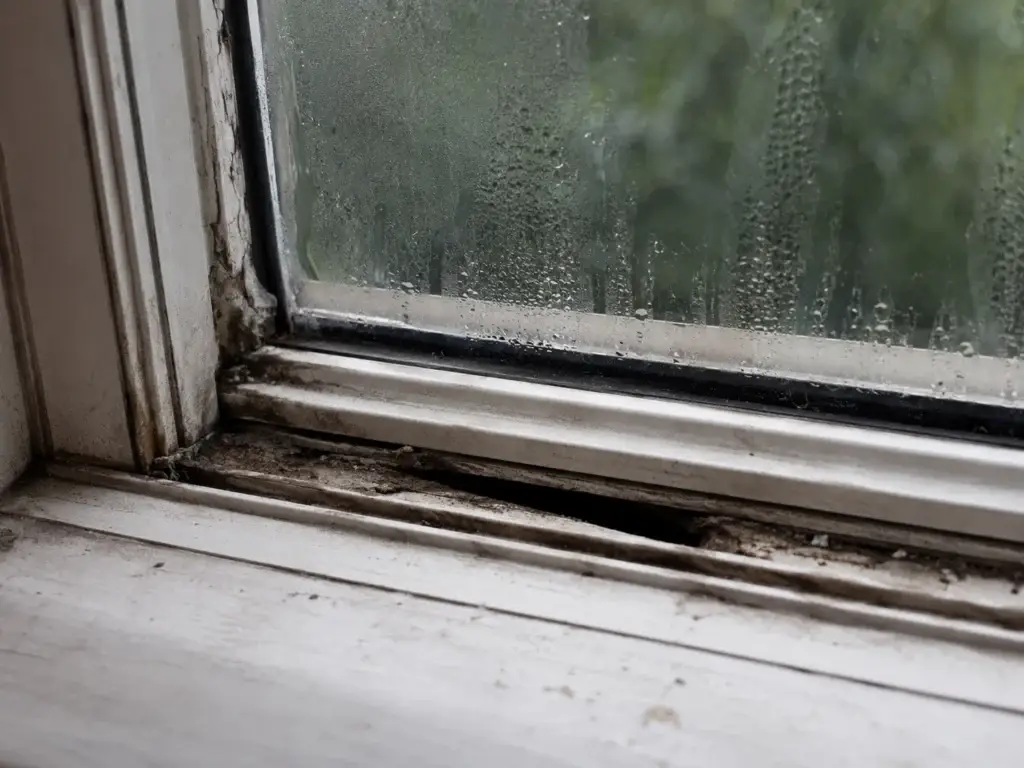
A wet sill in the morning is frustrating, especially when it keeps returning after you wipe it dry. But ordering double glazing immediately can leave you paying for an upgrade without understanding the original problem.
This guide helps Sydney homeowners collect useful evidence, understand the main options and ask better questions before accepting a quote. Start with the location of the moisture, rather than the age or appearance of the window.
1. Where is the condensation? Check this first.
The position of the moisture changes the next step. Check the room-side glass with a dry cloth. Only check the outside if you can reach it safely from ground level. Do not lean through an opening or remove glass to investigate.
Room-side surfaceCheck indoor moisture and temperature.
Outside surfaceObserve the weather and when it clears.
Between sealed panesArrange a glazing assessment.
| What you notice | What it may indicate | Useful next step |
|---|---|---|
| Water wipes off inside | Indoor moisture meeting a cold surface. | Record room conditions and review moisture control. |
| Water is on the outside face | External surface condensation under suitable weather conditions. | Observe when it clears; this alone does not prove a failed unit. |
| Fogging is trapped between sealed panes | A possible insulated glass unit seal problem. | Ask a glazier to assess the unit and check warranty details. |
| Water appears around the frame or wall | A moisture source that needs further investigation. | Record its relationship to rain and request an inspection. |
Manufacturer guidance from Jason Windows distinguishes surface condensation from moisture inside a sealed glass cavity. A separately fitted secondary-glazing panel is a different arrangement; tell the assessor what system you have.
2. Why do aluminium windows get condensation?
Condensation forms when a surface is cold enough for water vapour in the surrounding air to become liquid. That threshold is called the dew point. The practical issue is the combination of moisture and surface temperature, rather than aluminium being defective.
Cooking, showering and drying clothes indoors add moisture. The Australian Government’s YourHome condensation guide explains why moisture management, ventilation and warmer internal surfaces need to work together.
For your own investigation, note whether the glass, frame or both become wet. Also record whether the issue affects one opening or several rooms. Give the installer those observations rather than simply asking for “condensation-proof windows”. That phrase does not specify a measurable solution.
3. Is it condensation or a rainwater leak?
Look for a pattern, but do not treat it as a diagnosis. Morning moisture and water appearing during wind-driven rain are different clues. An inspection may need to consider the window, its installation and the adjoining wall.
- Timing: Does water appear after showers, overnight, during rain or some combination?
- Starting point: Photograph the first wet area before water spreads across the sill.
- Location: Is it on the glass, under the frame, at a corner or on the wall lining?
- Comparison: Check another window in the same room and one elsewhere in the house.
A dry-weather episode does not rule out every building moisture issue, and wet weather can change indoor conditions too. Share the pattern with the person inspecting the property. Avoid applying sealant indiscriminately or covering drainage openings while trying to stop the water.
If there is recurring pooling, damaged finishes or persistent dampness, arrange an assessment rather than repeatedly wiping away the evidence.
4. What can you try before replacing the windows?
For moisture on the room-side surface, begin with moisture control and suitable ventilation. These steps can help you understand the problem. They are not a repair for fogging trapped inside a sealed glass unit.
Reduce moisture at its source
Use extraction when cooking and showering, and check whether exhaust air goes outdoors. Where practical, dry laundry outside. YourHome recommends these measures as part of reducing indoor condensation risk, alongside appropriate insulation and thermal improvements.
Review ventilation without sacrificing safety
Use available ventilation appropriately for the weather, security and occupants. Keep any child-safety restrictors in place. A window left open indefinitely is not a complete ventilation design; persistent problems may need advice about mechanical extraction or whole-home ventilation.
YourHome’s ventilation and airtightness guidance explains why sealing draughts and providing controlled fresh air are separate tasks. A well-sealed home still needs suitable ventilation.
Keep a short observation record
After wiping accessible surfaces dry, note when moisture returns. Record changes you make and whether conditions improve. A basic temperature and humidity meter can help you compare readings, but one reading does not diagnose the window or establish a universal “safe” humidity target.
For example, compare mornings after ordinary use with mornings after better bathroom extraction. Treat this as evidence to discuss with an assessor, not a controlled performance test or a reason to delay investigation of damage.
5. Will double glazing or thermally broken frames help?
They can reduce condensation risk, but the complete specification matters. Double glazing and thermally improved frames can help keep internal surfaces warmer. They do not remove the need to manage indoor moisture or investigate an installation problem.
A thermal break separates conducting aluminium sections with a less-conductive material. Ask whether a quoted frame actually includes this feature; the words “aluminium” and “double glazed” do not establish that it does.
When comparing options, ask for the whole-window U-value, not only a centre-of-glass figure. A lower U-value indicates greater resistance to heat flow, but it is not a guarantee that condensation can never occur. YourHome’s glazing guide explains glass-and-frame performance and why the selected combination matters.
Ask the supplier to explain what the upgrade is expected to address in your room. If you also want to compare general benefits and limitations, read our double glazing versus single glazing guide.
6. Should you replace the glass or the whole window?
Ask for the smallest suitable scope that addresses the confirmed problem. Glass-only work and complete replacement solve different issues. Before choosing either, request an explanation of what will remain in place and whether it is suitable for continued use.
When a sealed-unit replacement may be worth assessing
If fogging is confirmed inside an insulated glass unit, ask whether that unit can be replaced while retaining the frame. This requires checking the existing system and compatible replacement components; it is not the same as wiping condensation off a surface.
Ask the glazier to record the unit dimensions, glass specification, frame condition and any installation issue that needs attention. Check the original supplier’s warranty before authorising work. Do not assume every repairer can source components for every frame system.
When a complete replacement assessment makes sense
Ask about full replacement if the assessor identifies frame deterioration, unsuitable existing components or a performance goal that cannot reasonably be met by replacing glass alone. Request the reason in writing, especially when the more expensive scope is recommended.
An existing single-glazed frame must not be assumed to accept a thicker or heavier sealed unit. Ask the installer to verify compatibility rather than price an unconfirmed glass swap. Our aluminium window options provide a starting point if a new system is appropriate.
Compare what each proposal actually fixes
Ask this directly: “What is causing the moisture, which part of your proposed work addresses it, and what could still cause condensation afterwards?”
If the answer is simply “new windows will fix it”, ask for more detail. Where replacement glass is the relevant option, discuss the opening with our custom glass supply and installation team. Suitability needs to be confirmed for the particular system.
7. What should you send an installer and check in the quote?
A useful enquiry gives the assessor something specific to investigate. Send photos before cleaning up the water, plus a wider image showing the complete opening and surrounding finishes.
- Your suburb, property type and the floor where the window is located.
- Which surface is wet and whether you can wipe it clear from inside.
- When it happens, whether rain is involved and how many openings are affected.
- Approximate opening dimensions, known product details and any warranty paperwork.
- Your main goal: resolve trapped fogging, investigate water entry or improve thermal comfort.
Measurements supplied with an enquiry are preliminary. Ask who will take the final measurements and confirm the specification before fabrication.
| Check in writing | What you need explained |
|---|---|
| Proposed scope | Glass unit, sash, complete frame or separate building work; identify what stays. |
| Specification | Frame system, glass makeup and relevant performance information. |
| Installation and finishing | Access, removal, disposal, sealing, trims and making good. |
| Exclusions and responsibility | Ventilation work, wall repairs and any unresolved moisture investigation. |
| Price and next steps | GST treatment, variations, timing, payment stages and written warranty terms. |
The right next step is a clear diagnosis and a scope that matches it. Prime Aluminium Solution supplies and installs custom aluminium windows, doors and glass across Sydney. If you are considering replacement, send your photos and project details to discuss suitable options.
Frequently asked questions
Why is condensation worse on my bedroom window?
Room use, moisture levels, ventilation and surface temperatures can differ from the rest of the home. Record whether the bedroom door and window were closed overnight and compare conditions in other rooms. A room-specific assessment is more useful than assuming every window has the same fault.
Can new double-glazed windows still get condensation?
Yes. New windows do not remove indoor moisture, and surface condensation remains possible under suitable conditions. If the moisture appears trapped between sealed panes, contact the supplier for assessment rather than treating it as ordinary room-side condensation.
Will a dehumidifier fix window condensation?
A dehumidifier may help with room-side condensation by reducing moisture in the air. It will not repair a failed insulated glass unit or a rainwater leak. Persistent dampness still needs its cause investigated.
Does fogging between panes mean the whole frame needs replacing?
Not automatically. Ask whether the sealed glass unit can be replaced within the existing frame. The answer depends on the system, frame condition and compatible components, so a site assessment is needed before choosing the scope.
What if the window gets wet mainly after rain?
Tell the assessor that the moisture is associated with rain and provide photographs showing where it first appears. This is a useful clue, but it does not prove which component is responsible. Ask whether the inspection will include the surrounding wall and installation details.