
Introduction
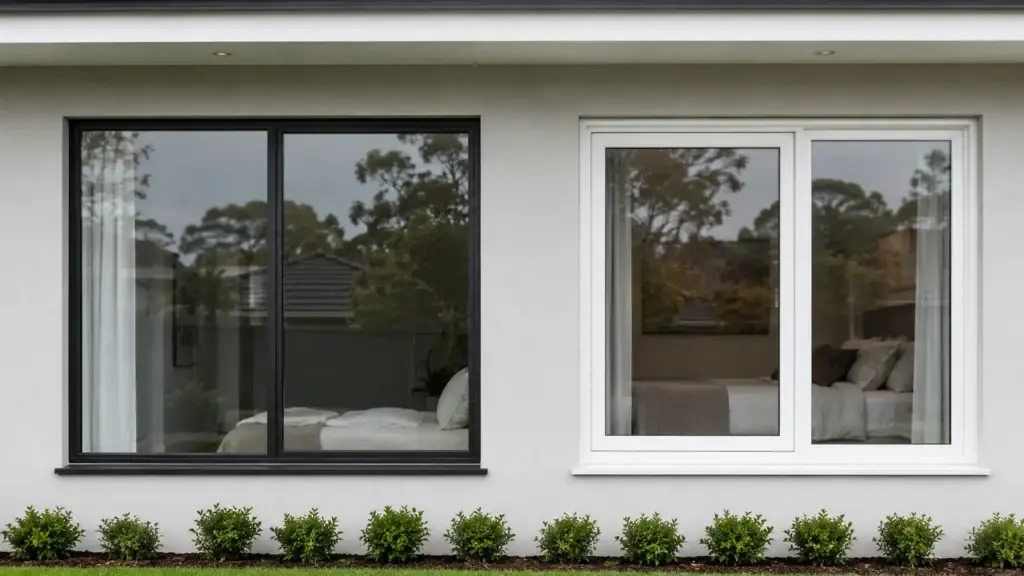
When comparing aluminium windows vs uPVC windows, the right choice depends on your property, opening sizes, design priorities and performance requirements. Both can work well, but they differ in frame strength, profile size, thermal behaviour and available configurations.
For Sydney homeowners planning a renovation, replacement or new installation, the complete frame-and-glass system matters more than price alone. This guide explains the practical differences so you can choose a suitable system for your property.
Aluminium Windows vs uPVC Windows: What’s the Difference?
The main difference is the material used to manufacture the window frames.
Aluminium windows use strong metal framing that allows manufacturers to create relatively slim profiles while maintaining structural strength. This makes aluminum particularly popular for contemporary homes, renovations and properties with larger window openings.
uPVC windows are manufactured from rigid plastic profiles. Manufacturers select frames thicker than aluminum systems to prioritize thermal performance and low maintenance.
Neither option is automatically better for every property. The right choice depends on the design of the home, opening sizes, glass configuration, budget and the result you want to achieve.
1. Strength and Durability
One of aluminum’s biggest advantages is its strength.
Aluminium window frames can handle larger glass areas while maintaining relatively slim profiles. This makes them particularly useful for large windows, sliding systems and modern architectural designs.
Quality powder-coated aluminum withstands normal exposure to Sydney weather conditions.
With appropriate installation and maintenance, aluminum windows can provide a durable long-term solution without requiring regular painting.
uPVC is also durable, but because the material has different structural properties, its profiles are generally bulkier.
For homeowners prioritizing large openings, slim frames and structural strength, aluminum is often the more suitable option.
2. Appearance and Modern Design
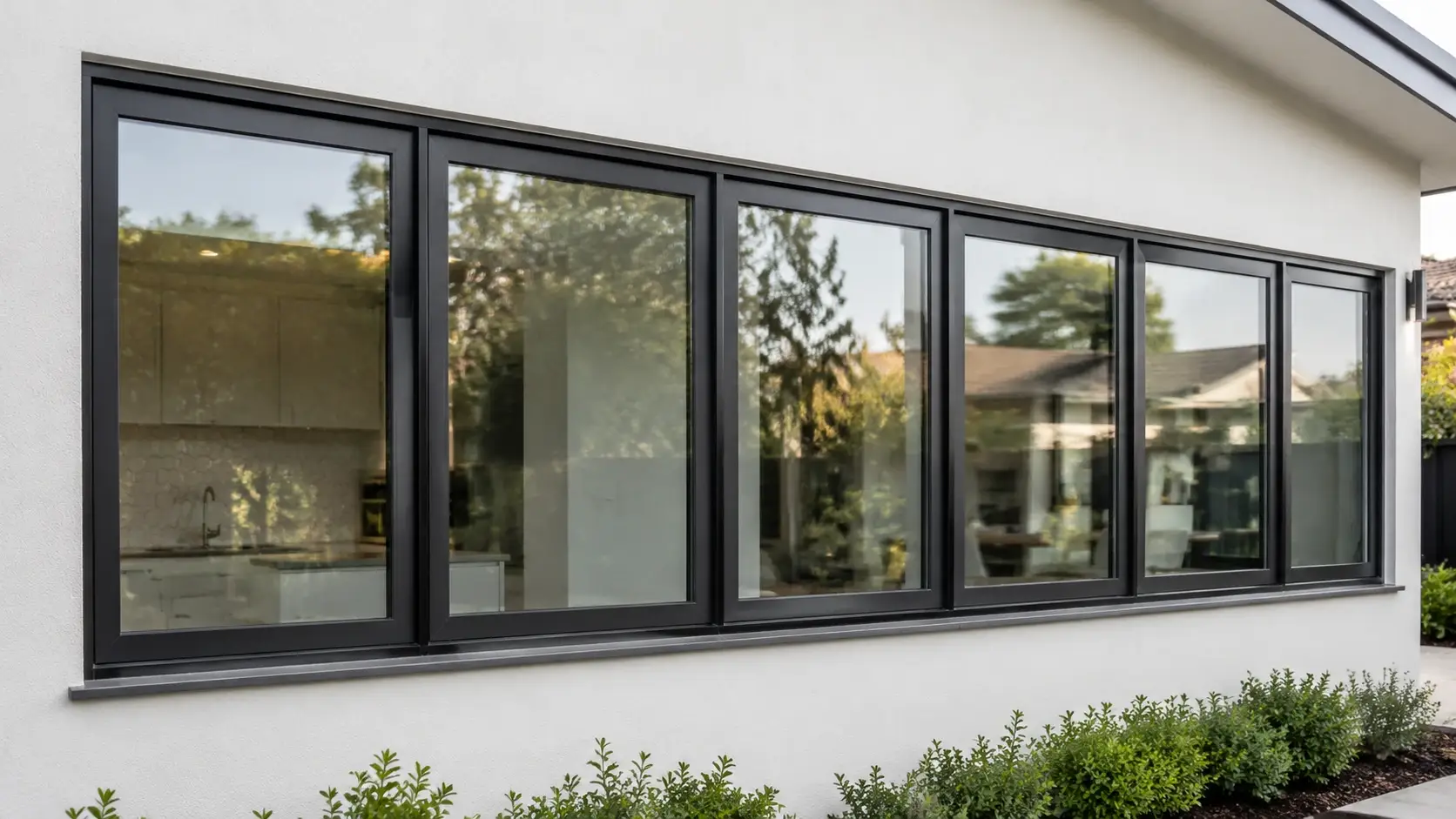
This is an area where aluminum has a clear advantage for many modern homes.
Slim aluminum profiles allow more of the opening to be glass and less to be frame. The result is a cleaner appearance and potentially more natural light.
Aluminium windows are also available in a wide range of powder-coated colors, allowing the frames to complement different architectural styles.
Popular finishes include:
- Monument
- Black
- surf mist
- White
- Woodland Grey
- Custom colors depending on the selected system
During renovations that replace old windows to modernize a property’s exterior, new aluminum frames substantially improve the visual appearance.
3. Thermal Performance
This comparison needs to be fair: uPVC generally has an advantage in frame insulation because plastic conducts significantly less heat than standard aluminum.
However, the frame alone does not determine a window’s overall thermal performance.
It also depends heavily on the glass type, glazing configuration, seals, window system and quality of installation.
Aluminium systems can be combined with different glazing options depending on the requirements of the property. Thermally broken aluminum systems are also available for projects requiring improved thermal performance.
So if energy efficiency is your main concern, compare the complete window system, not simply aluminum versus uPVC.
4. Maintenance
Both materials are relatively low maintenance compared with older timber windows.
Aluminium does not require routine painting when supplied with a quality finished surface. General cleaning of the frames, glass, tracks and drainage areas is normally sufficient.
For sliding windows and doors, keeping tracks clean also helps maintain smooth operation.
uPVC is similarly low maintenance and does not require painting.
For most homeowners, therefore, maintenance alone should not be the deciding factor between the two systems.
5. Window Sizes and Large Openings
For larger openings, aluminum becomes particularly attractive.
Because aluminum has a high strength-to-weight ratio, it can be used in systems designed for larger panels while keeping frame profiles relatively streamlined.
This makes aluminum suitable for projects involving:
Large sliding windows • Sliding doors • Fixed glass panels • Awning windows • Multi-panel configurations • Larger residential openings
The exact system required still depends on opening dimensions, wind loads, glass requirements and the property’s construction.
Every project should therefore be measured properly before a final system is selected.
6. Glass Options Matter Just as Much as the Frame
Homeowners often spend too much time comparing frame materials and not enough time considering the glass.
Glass makes up most of the surface area of a typical window, so choosing the appropriate glazing can have a major impact on comfort, safety and performance.
Depending on the application, aluminum windows may be paired with options such as:
Standard glass – suitable for applications where standard glazing is appropriate.
Toughened safety glass – manufactured for increased strength and designed to break differently from ordinary glass.
Laminated glass – contains an inter-layer that helps hold the glass together if broken and may provide additional acoustic benefits depending on its specification.
Double glazing – uses multiple panes separated by a sealed space to improve thermal performance compared with standard single glazing.
The correct glass specification depends on the location and requirements of each window.
7. Aluminium Windows for Sydney Conditions
Sydney properties vary considerably.
A coastal home may have different requirements from a house in Western Sydney, while an apartment replacement can have completely different constraints from a detached residential renovation.
Factors worth considering include:
Sun exposure – orientation can influence heat entering the property.
Noise – properties near busy roads or commercial areas may benefit from an appropriate glazing specification.
Coastal exposure – properties closer to the coast require suitable materials, finishes and maintenance.
Opening size – larger openings may require a stronger window system.
Existing construction – replacing old timber or aluminum windows can require additional finishing work depending on the existing opening.
This is why window selection should be based on the actual property rather than choosing a product from photos alone.
8. What About Noise Reduction?
If outside noise is a major concern, simply replacing the frame does not guarantee a quiet home.
Noise performance depends on several components working together, including the glass specification, seals, frame system and installation.
For example, certain laminated glass configurations can help improve acoustic performance, while gaps around poorly installed frames can reduce the benefit of upgrading the glass.
For properties near busy roads, schools or other noisy locations, tell your installer that noise reduction is a priority before the windows are manufactured.
That allows the complete system to be considered rather than trying to solve the problem afterwards.
9. Which Option Is Cheaper?
There isn’t one reliable answer.
Window pricing depends on much more than the frame material. Important factors include:
Window dimensions, window style, frame series, glass specification, color, hardware, access, removal of existing windows and installation requirements.
A cheap window can become expensive if the system is unsuitable or installation is poor.
Instead of comparing only the initial price, compare exactly what is included in each quotation.
10. Aluminium or uPVC: Which Should You Choose?
If your priority is a modern appearance, slim profiles, strength, large openings and extensive design flexibility, aluminum is an excellent option.
If your main priority is frame insulation, uPVC deserves consideration as well.
There is no reason to pretend one material wins every category.
For many Sydney renovations and modern residential projects, however, aluminum provides a strong combination of appearance, durability and versatility — particularly where homeowners want larger areas of glass and clean, contemporary frames.
Replacing Existing Windows?
Replacing windows isn’t simply a matter of removing the old frame and installing another one.
The existing opening should be assessed to determine dimensions, surrounding materials, access, finishing requirements and the appropriate replacement system.
At Prime Aluminium Solution, we supply and install custom aluminum windows and doors for residential and commercial projects across Sydney.
Our process starts with understanding the opening and what you want to achieve before recommending the appropriate solution.
The aluminium windows vs uPVC windows decision should be based on the complete system, the opening and what you need the window to achieve.
Planning a Window Upgrade?
If you’re considering replacing old windows or upgrading your property with new aluminum windows, we can discuss the available options and provide a measure and quote.
Prime Aluminium Solution
Aluminium, Glass & Door Specialists
Sydney Wide Service