
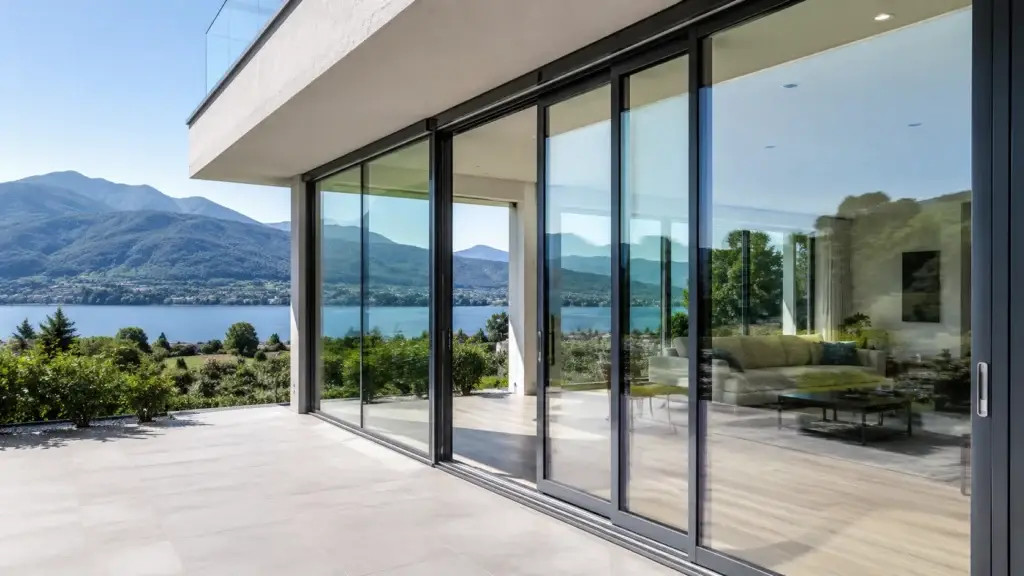
How do you know when your windows need replacing rather than another repair? Look for problems that affect more than one part of the system: persistent draughts, difficult operation, water entry, damaged frames, repeated hardware failures or poor sealing. One isolated fault may be repairable, but several warning signs together usually justify a complete inspection of the frame, glass, hardware and surrounding opening.
Quick answer: Do not replace a window or door simply because it is old. First identify the cause of the problem. A roller, lock or seal may be repairable when the frame is sound. Replacement becomes more sensible when the frame is deteriorated or distorted, problems keep returning, water management is compromised, or the existing configuration no longer suits the property.
7 signs your windows need replacing
1. You can feel draughts around closed windows or doors
Air moving around a closed window or door can indicate worn seals, hardware that is no longer pulling the sash closed, gaps around the frame or movement in the surrounding opening. It can make the room less comfortable, but a draught does not automatically mean that the entire unit must be replaced.
Start by checking whether the problem is limited to a replaceable seal, lock or adjustment. If gaps remain because the frame is damaged, distorted or poorly fitted, a properly measured replacement may provide a more reliable result. The Australian Government’s YourHome glazing guide explains that the glass, frame and weather sealing work together to influence a home’s thermal performance.
For replacement projects, compare the complete proposed system rather than the frame material alone. Prime Aluminium Solution can assess the opening and discuss suitable custom aluminium windows, glazing and sealing details for the property.
2. A sliding door is heavy, rough or difficult to close
A sliding door should move consistently and close without being forced. Heavy movement, scraping, a panel lifting off the track, a lock that no longer lines up or a door that will not close fully can point to worn rollers, track damage, misalignment or movement in the frame.
A roller or lock replacement may be enough when the track and frame remain sound. Replacement is more likely to be worth considering when several components are worn, the frame is damaged, the door no longer seals properly or repair costs keep adding up. A new system should be selected only after the opening, sill, drainage, panel configuration and access have been checked.
If replacement is appropriate, review the available aluminium sliding, stacker and hinged door options before choosing a configuration. The widest opening is not always the most practical choice; daily use, panel weight, screening and parking space matter as well.
3. Too much outside noise is entering the home

Traffic, neighbours and construction noise can be frustrating, particularly near busy Sydney roads. The glass matters, but gaps around the frame, worn seals, vents and other air paths can reduce the benefit of upgrading the glass alone.
The Australian Glass and Window Association notes that noise problems are complex and that even small air leaks elsewhere in the building can counteract the benefit of acoustic windows. Its energy and acoustics guidance also recommends considering the frequency and source of the noise before selecting a solution.
Ask for a documented window-and-glass configuration suited to the actual noise problem. Depending on the project, this may involve different glass make-ups, seals and framing. Prime Aluminium Solution can discuss available custom glass options, but no responsible installer should promise a fixed noise reduction without a specified and tested system.
4. Water is appearing around the window
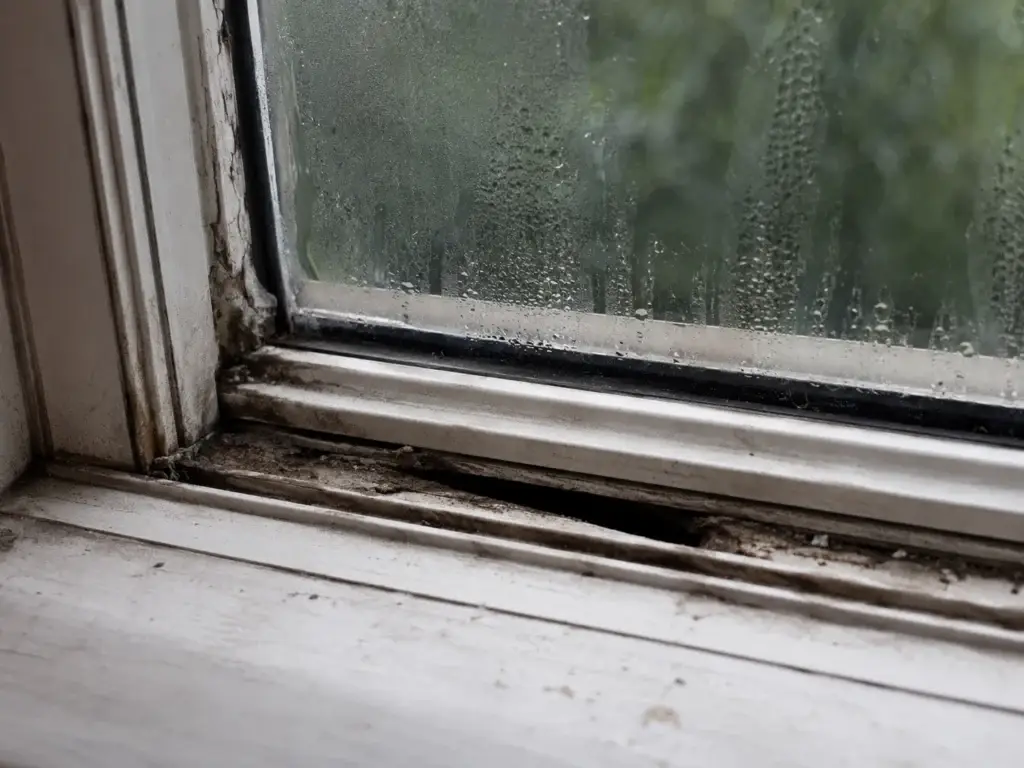
Water staining, damp finishes or moisture near a window should be investigated promptly. Possible causes include failed perimeter sealing, blocked or unsuitable drainage, deteriorated frame components, gaps in the surrounding construction, condensation, or a water path elsewhere in the wall.
Adding more silicone without locating the source may hide the symptom rather than fix the cause. A replacement window can help when the existing frame, drainage or installation is responsible, but it will not repair an unrelated roof, flashing, cladding or wall problem. The opening and surrounding materials should be inspected before the replacement scope is confirmed.
5. Frames, glass or hardware show visible deterioration
Cracked glass, loose joints, corrosion, decayed timber, damaged seals, distorted frames or hardware that no longer engages are more than cosmetic issues. The urgency depends on the location and severity of the damage, but broken or unstable glass and doors that cannot be secured should be dealt with promptly.
Where damage is confined to one component, a repair may be possible. If the frame has lost its shape, the sash no longer sits correctly or several components have deteriorated, replacing the complete unit may be the clearer long-term option. Avoid operating a panel that appears unsafe, and keep people away from damaged glass until it can be assessed.
6. Old frames, timber surrounds or large gaps complicate the opening
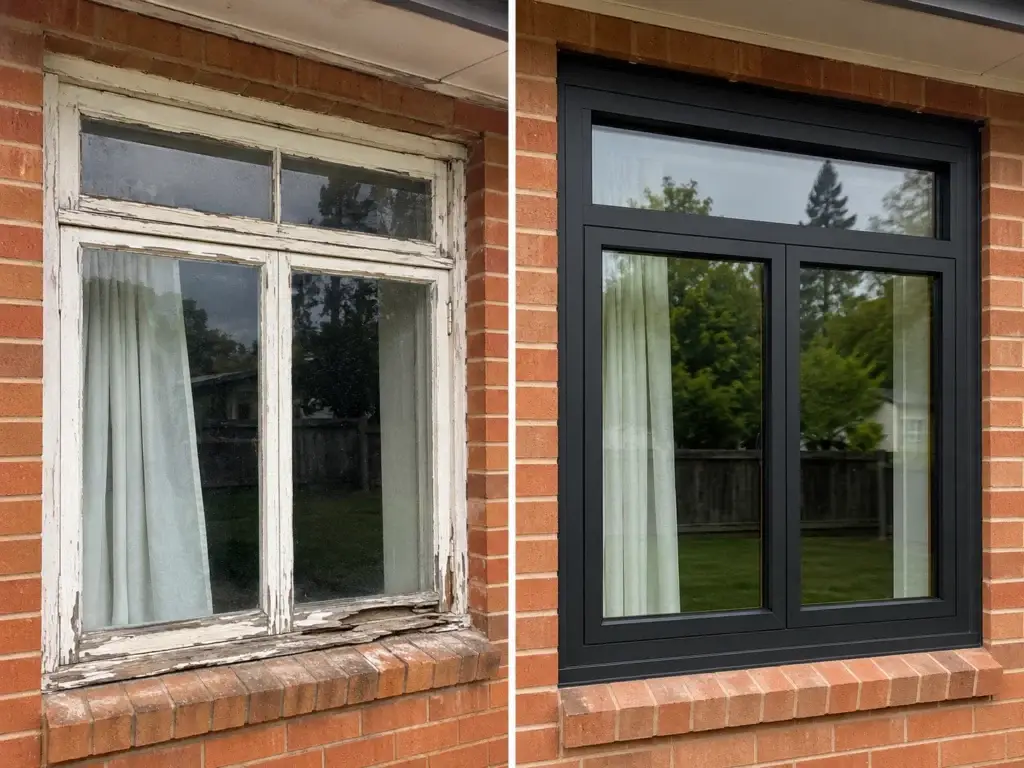
Older Sydney homes can have timber reveals, trims or unusual gaps between the original frame and the brickwork. Measuring only the visible glass or the old frame can miss the area that the replacement system must cover and seal.
A site measure should record the opening, existing frame, surrounding materials, sill condition, access and required finishing. Depending on the construction and dimensions, a different frame series, subframe, trim or finishing method may be required. These details should be resolved before fabrication, not improvised after the old window has been removed.
7. You keep paying for repairs and problems keep returning
Replacing one worn roller or seal can be sensible. Repeatedly repairing locks, rollers, tracks and seals on the same deteriorated system may not be. Keep a simple record of the faults and repair costs so you can compare another repair with the scope of a complete replacement.
Age alone is not the deciding factor. The better question is whether the frame remains sound and whether a repair will restore safe, consistent operation. When several parts are failing, the frame is damaged or the opening needs substantial corrective work, replacement becomes easier to justify.
Repair or replace? Use the complete system to decide
A small hardware fault does not mean your windows need replacing. Use the condition of the whole assembly—and the cause of the problem—to guide the decision.
| A repair may be suitable when | Replacement may be suitable when |
|---|---|
| The frame is sound and square. | The frame is distorted, deteriorated or badly damaged. |
| The problem is limited to a roller, lock, seal or adjustment. | Several parts are failing or faults keep returning. |
| The unit still closes, drains and seals correctly after repair. | The unit no longer operates, drains or seals reliably. |
| The existing configuration still suits the room. | You need a different opening style, glass specification or panel layout. |
Water entry, structural movement and damaged glass need particular care because the visible symptom may not reveal the full cause. Ask the person inspecting the job to explain what has failed, what the proposed work includes and which problems the work is expected to address.
What to check before accepting a window replacement quote
A useful quote should make it possible to compare the complete scope, not just a price per window. Ask each supplier to identify:
- the measured sizes, opening style and panel configuration;
- the aluminium frame system, colour and finish;
- the glass type and thickness proposed for each location;
- locks, handles, rollers and flyscreens where required;
- whether removal and disposal of the existing frames are included;
- how perimeter sealing, trims, subsills or subframes will be handled;
- any making-good work that is included or excluded;
- access requirements, estimated timing and written warranty terms.
Changing an opening, altering structural support or working on a heritage, strata or bushfire-affected property may introduce additional requirements. NSW Planning’s exempt development guidance explains that some low-impact work may not need approval only when every relevant development standard is met. Check the property and proposed scope before work starts.
Why consider aluminium windows and doors?
Aluminium is a practical option when you want custom sizing, a clean modern appearance and access to a range of window and door configurations. The appropriate frame series still depends on the opening size, configuration, exposure, glass and project requirements.
Do not choose on frame material alone. Thermal comfort, noise control, safety, ventilation and weather performance depend on the complete system. Ask for the proposed frame, glass, seals, drainage, hardware and installation scope to be considered together.
Planning window or door replacement in Sydney?
If you suspect your windows need replacing, start with an assessment rather than a product choice. Prime Aluminium Solution supplies and installs custom aluminium windows, aluminium doors and glass solutions across Sydney. We begin with the existing opening: its dimensions, surrounding construction, access, condition and the result you want to achieve.
Send photos and approximate measurements for an initial discussion, or arrange an onsite measure before fabrication. You can also check whether your suburb is included in our Sydney service areas.
Ready to discuss the problem?
Arrange a free measure and quote
Call 0485 756 168
Frequently asked questions
Should I repair or replace a difficult sliding door?
A repair may be enough when the frame and track are sound and the fault is limited to rollers, a lock or an adjustment. Replacement may be more sensible when the frame is damaged or misaligned, several components are failing, the door no longer seals properly, or repair problems keep returning.
Can replacing windows reduce outside noise?
It may help, but the result depends on the complete system and the noise source. Glass make-up, frame design, seals, installation and other air paths through the building all matter. Ask for a documented window-and-glass configuration suited to the type of noise rather than relying on a general promise.
Does water around a window mean it needs replacing?
Not automatically. Water may come from failed seals, drainage, the window frame or another part of the wall, roof or cladding. The source should be identified first. Replacement is appropriate only when the proposed window work addresses the actual cause and the surrounding opening is prepared and sealed correctly.
Can old timber windows be replaced with aluminium?
Often they can, but the replacement method depends on the opening and surrounding construction. Timber reveals, trims, brickwork, sills and any hidden damage need to be assessed. An onsite measure helps determine the frame system, removal method, finishing details and whether additional building work is required.
Do I need approval to replace windows or doors in NSW?
Some low-impact work may qualify as exempt development when every relevant standard is met. Approval or additional checks may be needed if the work changes the opening or structure, affects strata common property, or involves a heritage or bushfire-affected property. Check the property and scope with the relevant authority before work begins.