
Yes, you can fit a pet door in glass, but the method depends entirely on what glass you’ve got. A removable sliding-insert panel works for renters or a quick fix. A custom in-glass replacement gives you a permanent, flush finish. If your glass is toughened or double glazed, plan on hiring a glazier, because that panel has to be replaced, not cut.
TL;DR:
- Drilled, slim-line pet doors can be installed in single-glazed glass between 3mm and 10mm thick, but toughened and double-glazed panels require full replacement.
- Replacing in-glass panels usually takes longer and costs more, especially for double-glazed units, with lead times ranging from weeks to over a month.
- Installing a through-glass pet door demands professional measurement and fabrication to prevent costly rework and ensure a perfect fit.
- Removable inset panels are quick and affordable but reduce door width and may impact door locking or security.
- Proper installation involves precise measurement of glass thickness, frame type, and hardware dimensions, with consultation from experienced, insured glaziers.
Table of Contents
- Pet doors in glass: comparing insert panels, patio panels and through-glass options
- Which glass types allow cutting, and which need replacing?
- What does a pet door in glass actually cost?
- How professional installation actually works, step by step
- Getting the safety, security and insulation details right
- How to choose an installer without getting burned
- Prime Aluminium Solution’s perspective: why measuring first changes everything
- Get a custom glass pet door measured and quoted properly
- Where these figures and product details come from
- Sources
- FAQ
Pet doors in glass: comparing insert panels, patio panels and through-glass options
Most homeowners land on one of three solution types, and the right pick usually comes down to whether you rent or own, and how much you value a seamless look.
Removable sliding-insert panels slot into the existing track of a sliding glass door without any cutting. You measure the door’s height, order a panel with an adjustable frame, and it wedges into the track alongside the fixed glass. These suit renters who cannot alter the property, or anyone who wants their dog or cat sorted this weekend rather than next month. The trade-off: the insert eats into your door’s usable width, sometimes by a noticeable amount that reduces the door’s usable width, and it can complicate how you lock the sliding door at night.
One-piece and two-piece patio panels are a variation on the same theme, differing mainly in how the flap and frame combine. Two-piece versions let you install the pet door hardware into a separate panel, then fit that panel into the track. Sliding glass pet door panels typically include adjustable heights, magnetic flaps, weather stripping and locking closing panels, so you’re not sacrificing security entirely for convenience.
In-glass or through-glass pet doors go a different route entirely. The pet door hardware is set into a brand-new pane of glass that replaces your existing one. Nothing gets bolted onto the surface. Your sliding door keeps its full track width and its original sightlines.
Weighing them up in practice:
- Insert panels: fastest to install, no glazier required, but reduce door width and can look bulky.
- Patio panels: similar convenience, slightly better integration, still a visible add-on.
- Through-glass replacement: cleanest finish, full-width door retained, but requires professional glazing work and a longer lead time.
Which glass types allow cutting, and which need replacing?
Here’s the part most people get wrong: toughened or double-glazed glass cannot be cut after manufacturing. Trying to drill or score tempered glass risks it shattering on the spot, and even a successful cut voids any safety rating the panel had.
Working out what you’ve actually got takes two minutes:
- Check for a stamp. Toughened and safety glass almost always carries a small etched logo in one corner, usually showing the standard it meets and the manufacturer.
- Tap test for double glazing. Knock gently on the pane. A single, solid-sounding thud usually means single glazing. A slightly hollow or double echo suggests two panes with an air or gas gap between them.
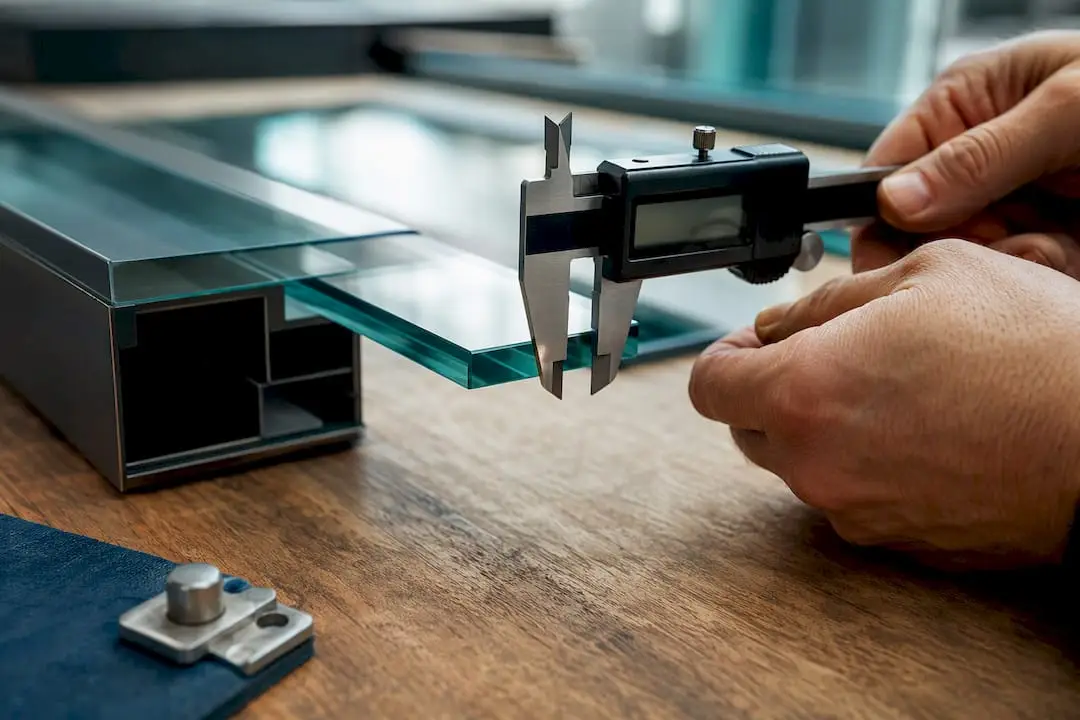
- Measure the thickness. Standard single glazing runs anywhere from 3mm to 10mm. Anything markedly thicker, or with a visible spacer bar around the edge, is double glazed.
Single glazing within that 3–10mm range is the only category where a drilled, slim-line option is realistic. Glass-fitting cat doors designed for this exact thickness range can be fitted by drilling a single round hole, with low visual impact and no full panel swap.
Toughened glass and double-glazed units are a different story. Both need the entire pane replaced with a pre-cut, pre-fabricated unit, because tempering makes the glass impossible to cut safely afterwards. If you’re dealing with a sliding door, also check whether you’re working on the fixed panel or the operating panel, and whether the frame is recessed into the wall or sits proud of it. Recessed frames often need an adapter kit before an insert will seat properly.
Pro Tip: Measure your glass thickness with digital calipers, not a tape measure, and buy your pet door hardware before you order any replacement glass. The hardware’s exact dimensions determine the cutout size, and ordering glass first is the single most common cause of expensive re-fabrication.
What does a pet door in glass actually cost?
Budgeting for this project depends heavily on which of the three solution types you choose, and the numbers vary more than most people expect.
Sliding-insert panels sit at the affordable end. Product-only pricing for a quality two-piece panel with weather stripping and a locking cover typically runs a few hundred dollars, before you factor in any professional fitting (which most insert panels don’t need at all).
Through-glass replacements cost more, but the range is wide. Specialist vendors note that simple single-pane in-glass installs can start at more affordable prices, while double-pane fabrication and full installation can be substantially more expensive, depending on size and complexity.
A few things swing that price more than anything else:
- Glass type. Double glazing costs meaningfully more to fabricate than single glazing.
- Flap size. A door built for a Border Collie costs more than one sized for a cat.
- Access and height. Second-storey installs or awkward frame positions add labour time.
- Custom finishes. Tinted, Low-E or laminated glass all add to the fabrication bill.
- Call-out timing. After-hours or rushed jobs typically carry a premium.
On timelines, expect single glazing modifications to move faster than double-glazed replacements, which need custom fabrication offsite before anything gets installed. A realistic window from initial measure to finished install commonly runs from a couple of weeks to over a month for complex double-pane jobs, largely because the replacement glass has to be built to exact specifications before a glazier can fit it.
How professional installation actually works, step by step
A proper in-glass pet door installation follows a sequence, and skipping steps is exactly how projects end up needing rework.
- Pre-measure and document. A glazier records exact glass dimensions, thickness, frame type (recessed or exposed), and where you want the flap positioned relative to ground level.
- Hardware first, glass second. The pet door unit gets ordered or confirmed before the replacement glass is fabricated, because the frame depth, screw positions and cutout size all depend on the hardware’s exact dimensions.
- Custom glass fabrication. The new pane, complete with its cutout, is manufactured offsite to match the pet door unit precisely.
- On-site removal and replacement. The old pane comes out, the new one goes in, and the frame is resealed. This step needs proper safety handling, particularly with larger sliding door panels that are heavy and awkward to manoeuvre.
- Sealing and weatherproofing. Edges get sealed against draughts and moisture ingress before the flap hardware is fitted.
- Testing and pet introduction. The flap gets tested for smooth operation, and a gentle introduction period for your pet follows, letting them get used to the new opening at their own pace.
Insert panels skip most of this. There’s no glass fabrication step, no removal of existing panes, and usually no glazier at all. That’s the whole appeal.
Getting the safety, security and insulation details right
A pet door is a hole in your home’s thermal envelope and its security perimeter, so the details matter more than they look like they should.
For insulation, look for double flaps (an inner and outer flap creates an air gap that cuts draughts), magnetic seals that hold the flap flush when not in use, and weather stripping around the frame edge. Manufacturers building for harsher climates now include dual-paned insert construction specifically to reduce energy loss through the pet door itself, which matters if you’re running heating or cooling year-round.
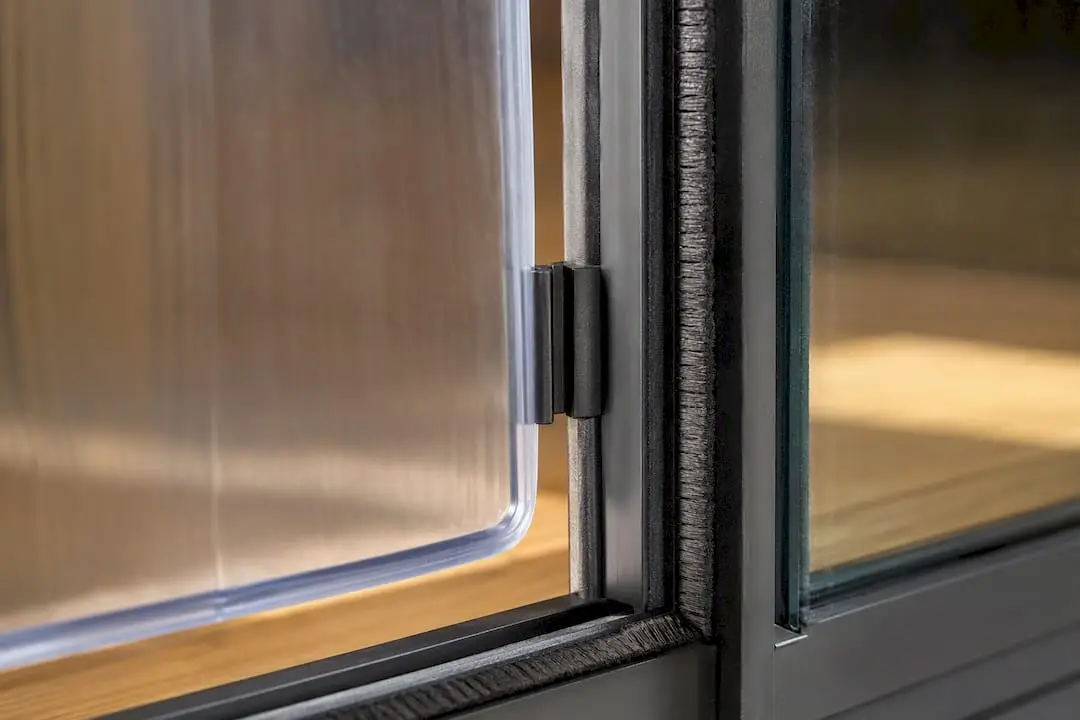
On security, an internal lockable cover lets you seal the opening completely overnight or when you’re away, without removing the whole unit. Check that your sliding door can still be locked normally once an insert panel is fitted, since some insert designs interfere with the existing door lock.
For durability, aluminium frames handle Australian UV exposure and temperature swings better than plastic over the long run, and heavy-duty vinyl or reinforced flap materials outlast basic PVC in high-traffic households.
- Double flaps and magnetic seals cut draughts significantly.
- Lockable internal covers add a genuine security layer.
- Aluminium framing holds up better under harsh sun and heat cycling.
Pro Tip: Introduce your pet to the new door with the flap propped open for the first few days. Most dogs and cats work it out within a week once they can see through without pushing.
How to choose an installer without getting burned
Not every glazier who says yes to a pet door job is set up to do it properly. A few checks separate a solid installer from a risky one.
Ask about their glazing experience specifically with cut-in or through-glass pet doors, not just general window replacement. Confirm they carry current insurance, and ask whether they fabricate the replacement glass themselves or outsource it, since that affects both lead time and accountability if something’s cut wrong.
Seven questions worth sending before you book anyone:
- What warranty covers the glass, the hardware, and the labour separately?
- Who supplies the replacement glass, and can I see the spec before it’s cut?
- What’s the realistic lead time from measurement to completed install?
- How is the old glass disposed of?
- What happens if the on-site measurements don’t match the fabricated glass?
- Can you provide references or examples of similar in-glass installations?
- Is the quote itemised, or a single lump figure?
Red flags include a quote given without an on-site measure, reluctance to name who’s supplying the glass, or no references offered when asked directly.
| What to check | Why it matters |
|---|---|
| On-site measurement before quoting | Prevents mismatched cutouts and rework |
| Itemised costs | Shows what you’re paying for glass vs labour |
| Written warranty terms | Protects you if the flap or seal fails early |
| References or past projects | Confirms real experience with glass cutting |
Prime Aluminium Solution’s perspective: why measuring first changes everything
We’ve spent over 20 years, combined across our team, fabricating and installing custom glass and aluminium across Sydney, and the single biggest driver of rework on any glazing project, pet doors included, is skipping the measure-to-install sequence in favour of a rushed quote.
A pet door cut into the wrong glass thickness, or fitted to a frame that wasn’t checked for recessed tracks, means pulling the whole panel back out. That costs more than doing it properly the first time. Our approach documents glass type, thickness, frame depth and hardware position before a single pane gets fabricated, which is exactly the sequence that avoids a second visit.
If you’re weighing an insert panel against a permanent through-glass solution, our honest read is this: choose the through-glass route when you want your sliding door to look and function exactly as it did before, minus the hole. That’s where professional measurement earns its keep.
— Prime
Get a custom glass pet door measured and quoted properly
You can find specialist glaziers who measure your exact glass, fabricate the replacement pane to match your specific door, and install it without guesswork about frame depth or hardware clearance. That’s the difference between a pet door that fits flush for years and one that needs revisiting within months.
We handle the full sequence, from initial measurement through to custom glass supply and installation, so your through-glass pet door goes in once and stays right. If you’re not sure whether your sliding door needs a full panel replacement or would suit a simpler insert, our team can assess that on-site before you commit to either.
To get started, request a free measure and quote through our aluminium windows service page. Bring photos of your existing glass and door frame if you can, along with the flap size you’re after, and we’ll give you an itemised quote covering glass, hardware and installation before any work begins.
Where these figures and product details come from
The cost ranges, glass compatibility notes and product examples referenced throughout this guide draw on manufacturer specifications from PetSafe’s sliding glass pet door range, the through-glass installation notes at PetDoors.com, pricing examples from Dog Proofer’s in-glass door range, and the glass-thickness specifications listed for Catwalk’s glass-fitting cat door.
Sources
- Pet Door for Sliding Glass Door, 2 piece – 81 in | PetSafe®
- Petdoors
- In-Glass Dog Doors | Dog Proofer
- G-CDC Glass Fitting Cat Door Clear | Catwalk® Pet-Tek
FAQ
How much does it cost to put a doggy door in glass?
Sliding-insert panels typically cost a few hundred dollars for the product alone, while custom in-glass replacements range from a few hundred dollars for simple single-pane jobs to several thousand for double-glazed fabrication and installation, depending on size and glass type.
Can you install a pet door in glass?
Yes. Single glazing within a suitable thickness range can sometimes take a drilled, slim-line cat door, while toughened or double-glazed panels need the entire pane replaced with a pre-cut, custom-fabricated unit rather than being cut on-site.
Can I install a dog door in glass myself?
You can fit a removable sliding-insert panel yourself without cutting any glass, but a permanent through-glass installation on toughened or double-glazed panels needs a professional glazier, since DIY cutting of tempered glass is unsafe and generally not possible.
What can I use instead of a doggie door?
A removable sliding-insert panel is the main non-permanent alternative, fitting into your existing sliding door track without any glass modification, and it’s the option most renters choose when a through-glass replacement isn’t possible.